
How to Verify the Quality of a Vacuum Insulated Bottle Before Mass Production
June 24, 2026
For importers, wholesalers, and private label brands, one of the biggest concerns is receiving products that look great in photos but fail to perform once they reach customers.
A vacuum insulated bottle may appear flawless on the surface, but insulation performance, coating durability, and component quality can vary significantly between manufacturers. That’s why thorough sample evaluation is an essential step before approving mass production.
Taking the time to verify product quality early in the sourcing process can help prevent customer complaints, costly returns, shipment delays, and damage to your brand reputation.
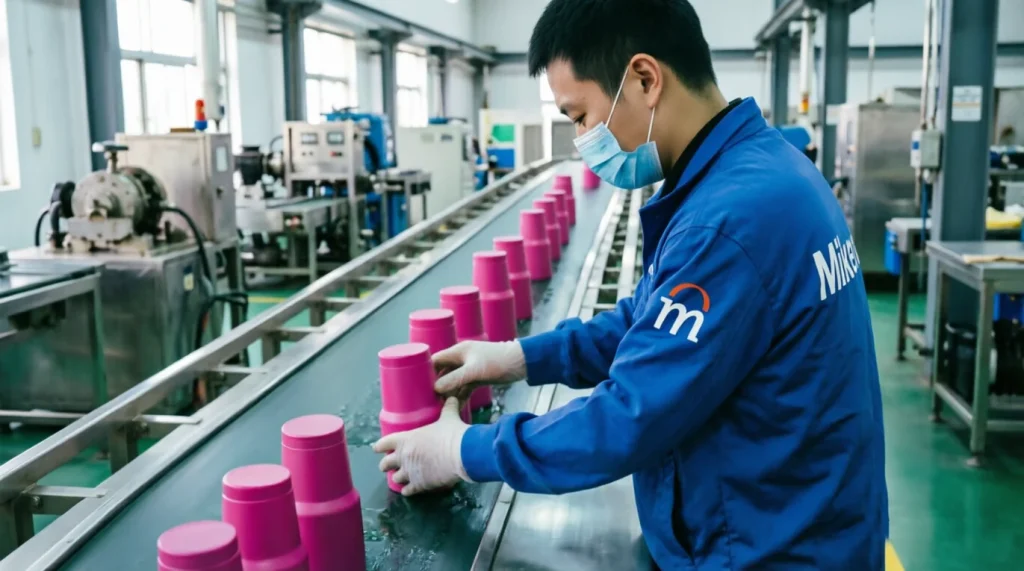
1. Test the Insulation Performance
The primary purpose of a vacuum insulated bottle is temperature retention. Before placing a bulk order, buyers should test whether the bottle performs as promised.
A simple evaluation method is to fill the bottle with hot water and leave it sealed for several hours. During the test, check the exterior surface of the bottle.
A properly manufactured double-wall vacuum bottle should remain relatively cool to the touch. Excessive heat transfer to the outer wall may indicate poor vacuum insulation or manufacturing defects.
If possible, compare the actual temperature retention results with the supplier’s specifications to ensure consistency.
2. Inspect the Surface Finish
The appearance of a stainless steel water bottle directly affects customer perception.
Carefully inspect the powder coating, spray-painted surface, or other decorative finishes for:
- Scratches or marks
- Uneven texture
- Color inconsistency
- Dust particles under the coating
- Poor edge finishing
A high-quality finish should feel smooth, uniform, and durable. Premium coatings should also provide good resistance to daily wear and handling.
For custom logo projects, buyers should additionally verify logo positioning, color accuracy, and print durability.
3. Check the Lid Construction and Leak Resistance
The lid is one of the most important components of any vacuum flask, yet it is often overlooked during product evaluation.
Examine the lid structure carefully, including:
- Thread quality
- Silicone sealing rings
- Drinking spouts
- Straw components
- Handle durability
Perform leak tests by filling the bottle with water, tightening the lid, and placing it in different positions for several hours.
A reliable leak-proof design can significantly reduce after-sales issues and improve customer satisfaction.
4. Verify Material Safety and Compliance
Different markets have different regulatory requirements for drinkware products.
Before mass production begins, buyers should confirm that all materials comply with the standards required in their destination market.
Common requirements may include:
- FDA compliance
- LFGB testing
- BPA-Free certification
- REACH compliance
Requesting test reports in advance helps reduce import risks and provides greater confidence when selling to distributors, retailers, and end users.
5. Evaluate Overall Manufacturing Quality
Beyond individual components, buyers should assess the overall manufacturing consistency of the sample.
Pay attention to details such as:
- Smooth welding joints
- Uniform bottle shape
- Consistent dimensions
- Proper assembly of accessories
- Packaging quality
Small details often reveal the manufacturer’s production standards and quality control capabilities.
Why Sample Evaluation Matters
Many quality issues can be identified during the sampling stage, long before mass production begins.
A quality sample should not only look attractive in product photos—it should also meet practical performance expectations in real-world use.
Investing additional time in sample evaluation can help buyers avoid unexpected costs, reduce quality risks, and build a stronger foundation for a successful product launch.
Final Thoughts
Successful sourcing starts with careful verification. Whether you are purchasing promotional drinkware, custom stainless steel water bottles, or private label vacuum flasks, evaluating samples thoroughly is one of the most effective ways to protect your investment.
A trustworthy manufacturer should be willing to provide samples, answer technical questions, and support quality testing before production. By following a structured evaluation process, buyers can move forward with greater confidence and achieve more reliable results in mass production.